
Stepping out into your yard with a handful of seeds and an ambitious heart is one of the most rewarding feelings in the world. Yet reality often strikes quickly when seedlings flop over, leaves turn yellow overnight, and mysterious bugs devour your prized tomato plants before they even set fruit. Most beginners assume they simply lack a green thumb, but successful growing has nothing to do with magic or innate talent. It is entirely about understanding the living world beneath your feet and learning how to work with nature rather than fighting against it.
We created Bloomorazolo to cut through the mountain of confusing advice found online and give everyday people a reliable, straightforward path to growing their own food. You do not need an acre of land or expensive imported gadgets to harvest crisp radishes and sweet peppers. All you need is a willingness to observe your space, get your hands dirty, and follow a proven framework that takes the guesswork out of cultivation.
Building the Foundation Beneath Your Roots
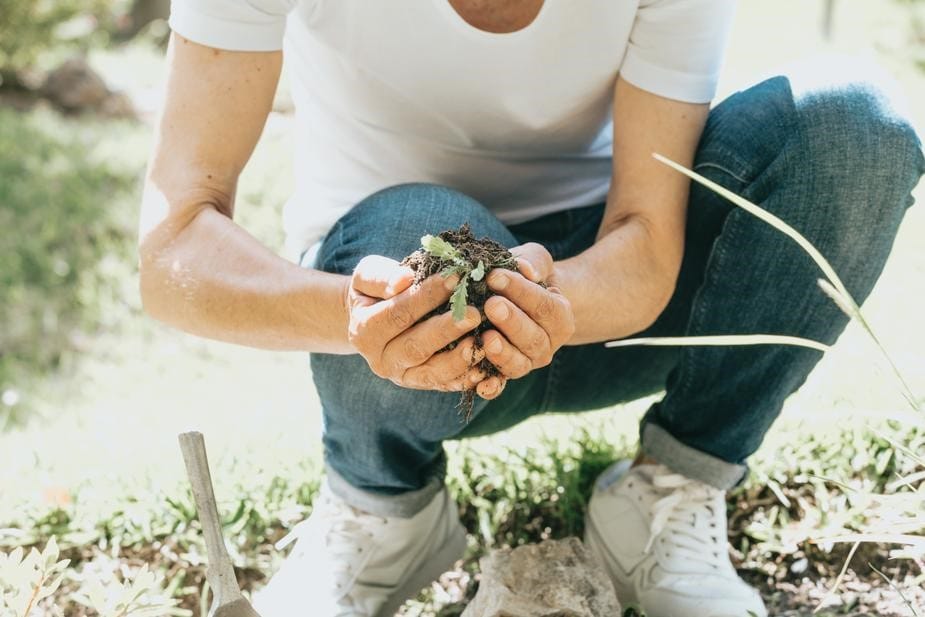
Healthy plants always start with healthy soil, yet most people treat dirt like mere furniture that holds roots upright. Real soil is a bustling metropolis of earthworms, fungi, bacteria, and microscopic minerals working in constant harmony. When you feed this subterranean ecosystem with compost and organic matter, it rewards you with plants that naturally resist pests and diseases without chemical intervention.
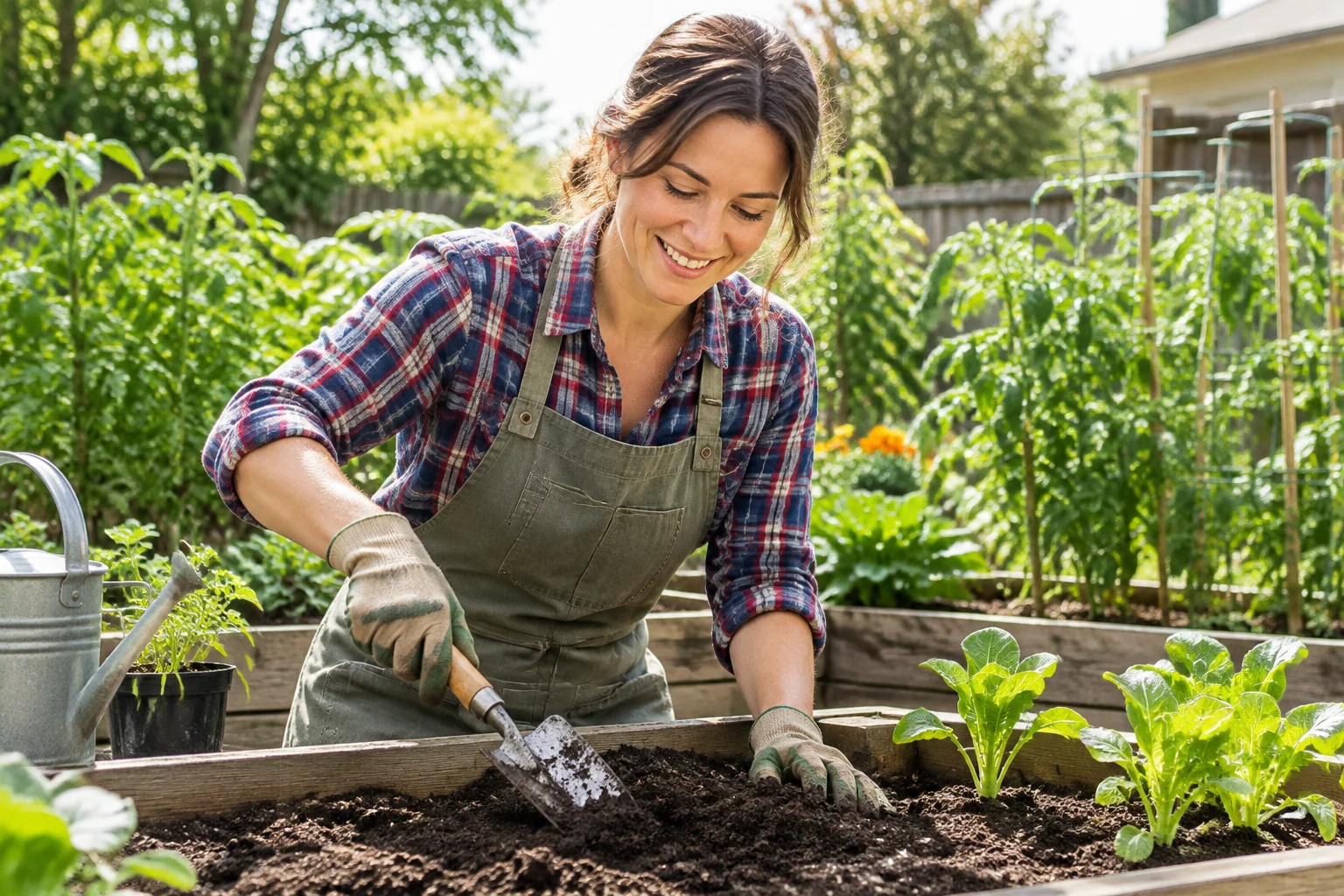
Digging up your yard and dumping synthetic fertilizers on top creates a temporary rush followed by a devastating crash that leaves your earth lifeless and dependent. Instead, embrace slow soil building by layering leaves, grass clippings, and kitchen scraps directly into the beds. Over time, earthworms move in, break down the rough material, and create a rich, spongy texture that retains moisture through the hottest summer afternoons. Your job is simply to protect this fragile underground city from unnecessary compaction and harsh synthetic salts.
Choosing What Thrives in Your Climate
Walk down any grocery store aisle and you will find produce bred for long-distance shipping rather than exceptional flavor or local resilience. When you design your home garden, select varieties that match your specific regional frost dates and sunlight patterns. Trying to grow heat-loving peppers in a damp, shaded northern corner invites disappointment, while planting cool-season spinach in the blazing mid-July sun causes plants to bolt straight to bitter seed.
- Map out the exact hours of sunlight hitting each corner of your yard.
- Talk to veteran neighbors about which crops struggle with local pests.
- Start with foolproof staples like bush beans, lettuce, and zucchini.
- Avoid buying overly complex hybrid seeds until you master basics.
- Rotate your planting beds annually to prevent soil-borne diseases.
Observing your microclimate takes patience, but it pays off with a much more abundant harvest. Notice where morning dew lingers the longest and where autumn winds hit hardest. Place delicate leafy greens in sheltered spots while giving sun-hungry squash all the wide-open space they demand.
Nurturing Plants Without Harsh Chemicals
The modern agricultural industry relies heavily on synthetic sprays that wipe out beneficial pollinators along with nuisance pests, creating an endless cycle of chemical dependency. True organic care focuses on balance instead of total annihilation. When aphids appear on your stems, do not instantly reach for a toxic bottle. Look around for ladybugs, lacewings, and hovering predatory wasps that consider those aphids an absolute feast.
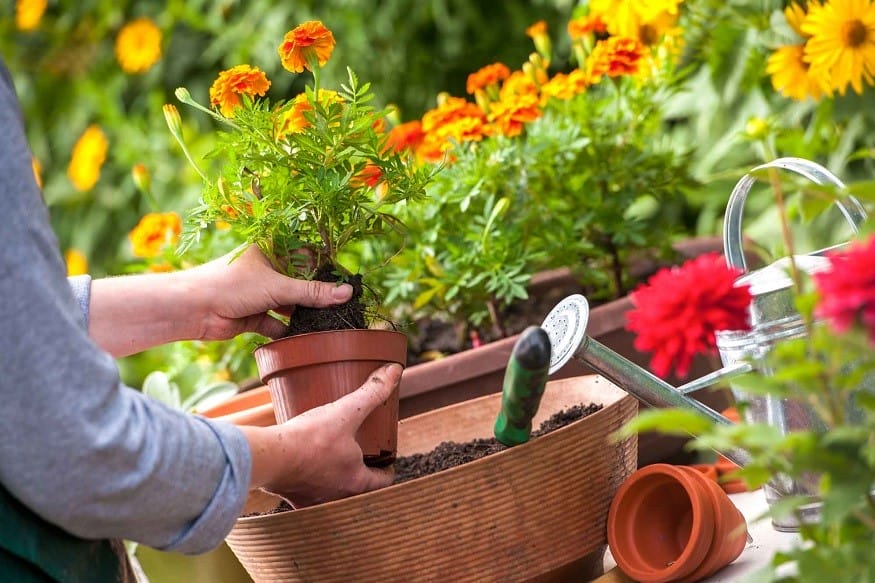
Planting strong-scented herbs like basil, dill, and marigolds right alongside your vegetables confuses foraging insects and attracts beneficial pollinators to the patch. Companion planting is an ancient art that modern science continues to validate with every new study on root exudates and natural pest deterrence. Let your garden become a diverse ecosystem where predators and prey keep each other in check naturally.
Embracing the Rhythm of the Seasons
Gardening teaches you patience in a digital world governed by instant notifications and overnight deliveries. Seeds germinate at their own stubborn pace, and tomatoes ripen only when they receive enough warm sunlight. Acceptance of this natural timeline transforms yard work from a stressful chore into a deeply grounding ritual that clears your mind.
Spend a few minutes each morning walking barefoot between your raised beds with a cup of coffee in hand, checking the underside of leaves for unwelcome visitors and gently tucking wandering vines back onto their trellises. These small daily observations prevent minor issues from turning into major disasters. Eventually, you stop viewing nature as something you must control and start seeing yourself as an active, grateful participant in the endless cycle of growth and renewal.